North & South Esk Regional School
Empowering a rural community with year-round, sustainable food systems and renewable energy at North and South Esk Regional High School.

North & South Esk Regional School
Empowering a rural community with year-round, sustainable food systems and renewable energy at North and South Esk Regional High School.

The Problem
Students at North and South Esk Regional High School started a small school garden several years ago, wanting to learn some hands-on skills and provide food for their rural community. The nearest grocery store is a 45 minute drive away and the cost of fresh produce is a challenge for many in their older community. Over the years, they expanded the garden beds and their shop class built sheds for their equipment, but their successful food growing was still confined to the summer months due to the harsh snowy winters. With a large Indigenous student population, there is a strong cultural value placed on environmental stewardship and sustainability. These principles are integrated through their Mi’kmaq class, outdoor classroom, and the Elders who come in frequently. But there aren’t many hands-on opportunities to support these values.
The Solution


30
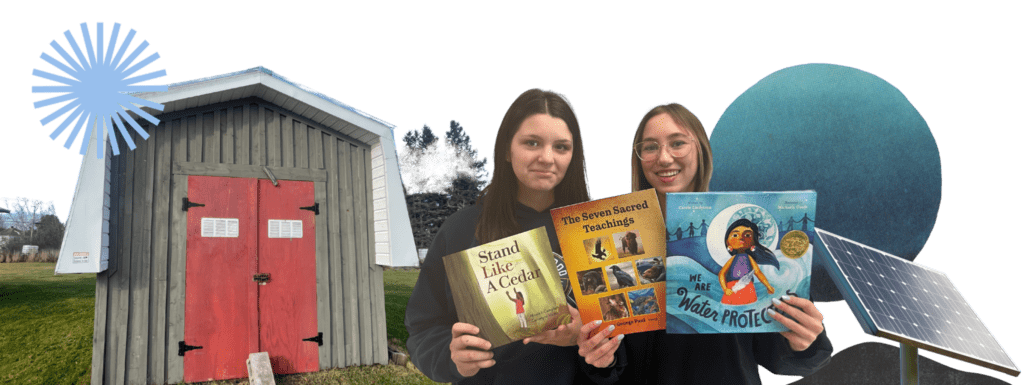
students from the climate club, the construction class and 3 teachers worked directly on the project, while the school’s 18 teachers and 185 students are all participating in ongoing climate education connected to the project.

5
members of the community have also volunteered their time to help with the construction, with the students hoping to engage many more once they start the growing season!
Lessons Learned
“More research needs to be done, more effort needs to be put in into, you know, actually getting there, with, like, food sustainability, and all that. But I feel like it definitely can be done, and we can work towards it, but it's just it's difficult, and more effort needs to be put into it than is currently put into it by a large amount.”
William Mullen, Student
“Participating in the N:OW for Net-Zero program has been a transformative experience for both me and my students. It brought climate education to life through hands-on, project-based learning that empowered students to see themselves as problem-solvers and change-makers. By integrating real-world applications, like solar energy and sustainable agriculture, into the curriculum, this initiative not only deepened student’s understanding of environmental issues, but also sparked a genuine passion for climate action. Programs like this are vital for equipping the next generation with the skills, knowledge, and hope they need to build a better future.”
Ms. Matchett, Teacher Lead
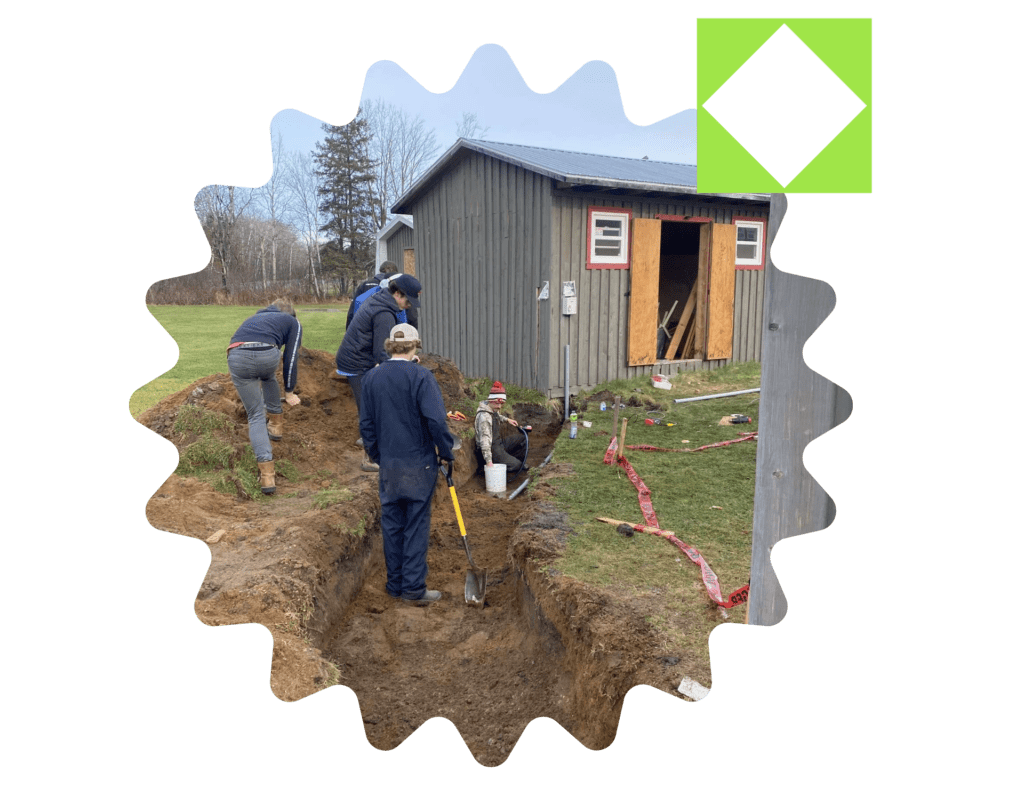
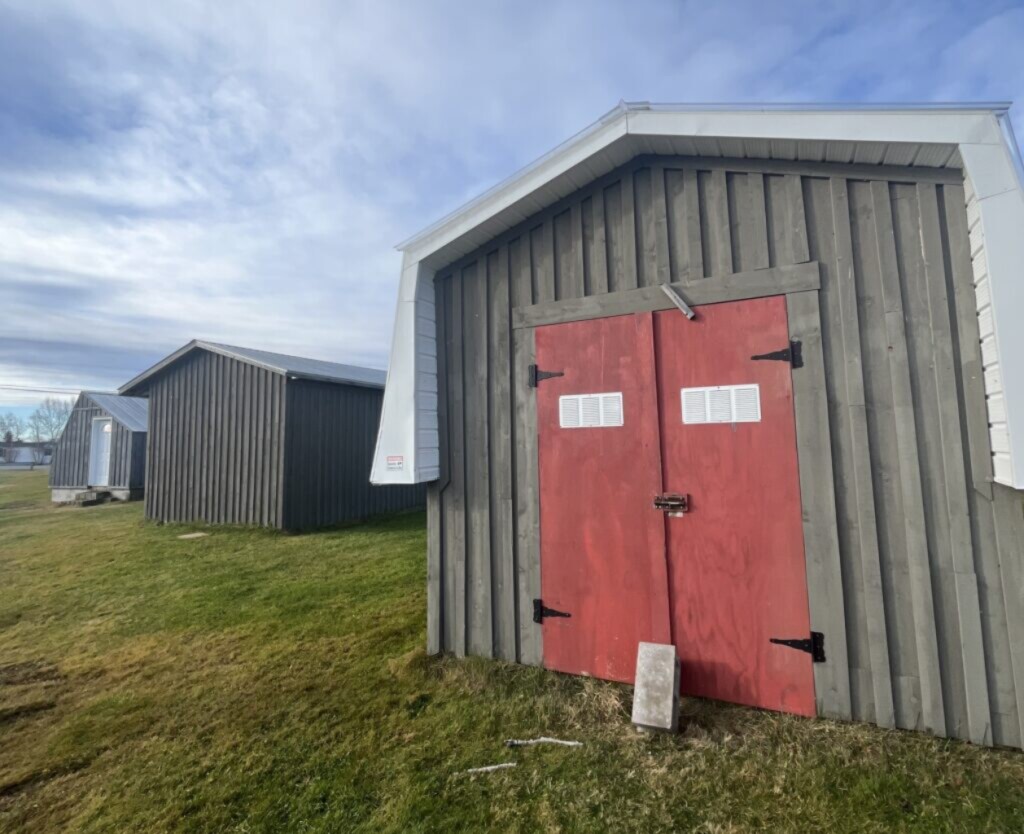
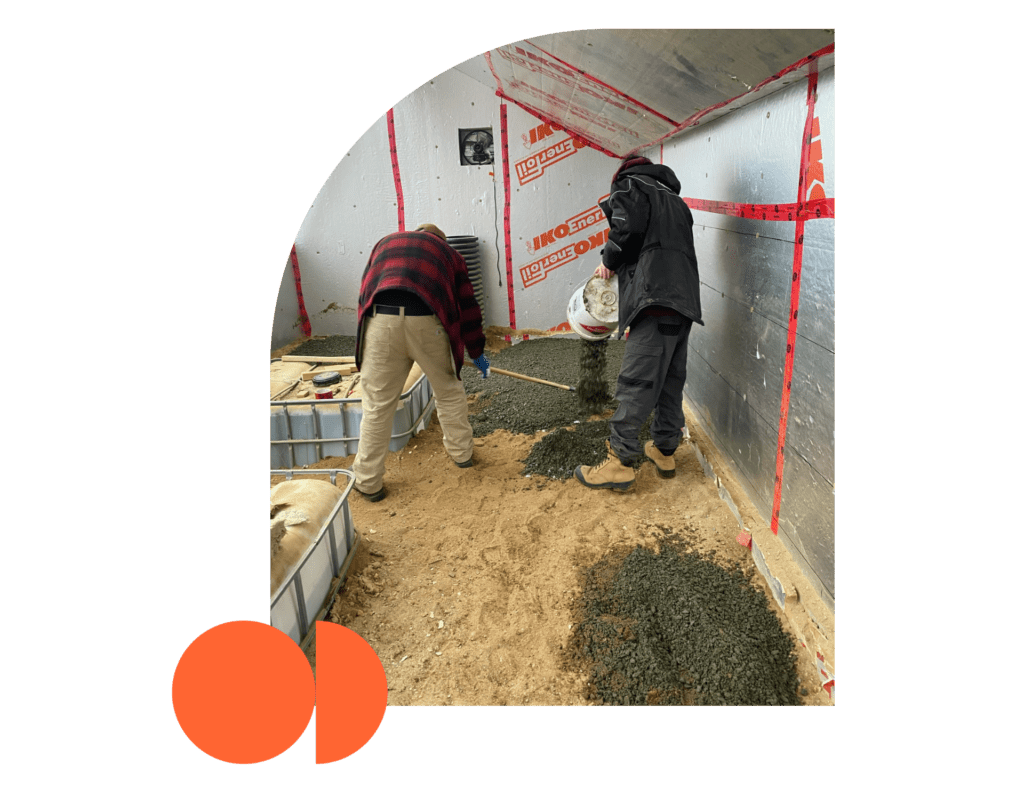
Retrofitted shed that includes insulation and power access for hydroponic growing towers.
Related Resource Guide