Curriculum Sub-Program Logo

Midnight Trains Don’t Go “Anywhere”

Public Transportation
Social Studies
Transportation
Grade 8
SK, NU
Midnight Trains Don't Go 'Anywhere'

Description

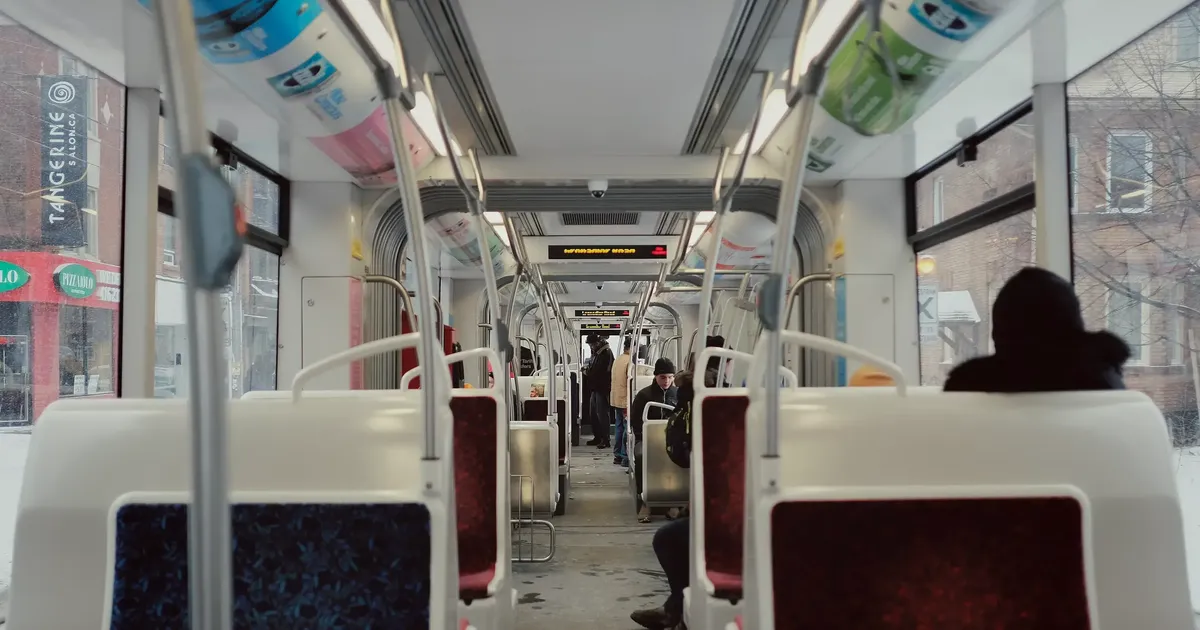
As countries around the world review their carbon footprints, it has become clear that many Global North nations rely heavily on fossil fuel-based transportation. This reliance has contributed significantly to greenhouse gas emissions. One way to reduce emissions is by moving more people using fewer vehicles through public transportation systems. However, transportation solutions must fit the places where people live. In this lesson, students explore different Canadian environments and determine which types of public transportation would be most effective, realistic, and fair in each setting.

Duration: Single Class

Sector: Transportation

Region: Rural Areas, Urban Areas

Context: Lifestyle, Community

Share with Email!

We Appreciate Your Feedback!

We are actively working to improve the offerings of N:OW for Net-Zero and this curriculum library. Have you used a lesson plan? Do you have any issues with a lesson plan? Do you have any suggestions or critiques about the library?

Please share how your experience has been as any feedback is so valuable for us!


More Lesson Plans

Social Studies, Law/Politics
Transportation
Grade 8
NS

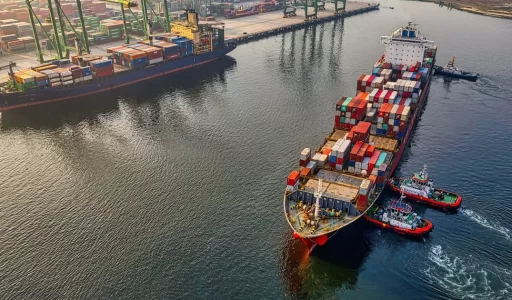
Students will investigate ocean shipping's role in global trade and its significant environmental impact, exploring how the shipping industry contributes to climate change and how efficiency improvements can support net-zero goals. Through ... read more

Social Studies
Food,Agriculture & Land Use
Grade 7
NB

What if farms could look like forests, with trees and livestock working together to create healthier land and fight climate change? Silvopasture is an agricultural practice that combines trees with grazing animals, a system used for thousan... read more

Indigenous Peoples' Forest Tenure

Geography, Social Studies, Indigenous Studies
Food,Agriculture & Land Use
Grade 10
SK, NU

In this lesson, students explore the concept of Two-Eyed Seeing and its connection to environmental stewardship and emissions reduction. They examine how Indigenous ways of knowing emphasize reciprocity with the Land and how these perspecti... read more

Social Studies, Indigenous Studies
Food, Agriculture & Land Use
Grade 12
BC/YK

This lesson examines Indigenous approaches to fishing and wildlife management as sustainable alternatives to industrial practices that drive overfishing, ecosystem collapse, and high carbon emissions. Through comparison, students will under... read more