Curriculum Sub-Program Logo

Midnight Trains Don’t Go “Anywhere”

Public Transportation
Social Studies
Transportation
Grade 8
SK, NU
Midnight Trains Don't Go 'Anywhere'

Description

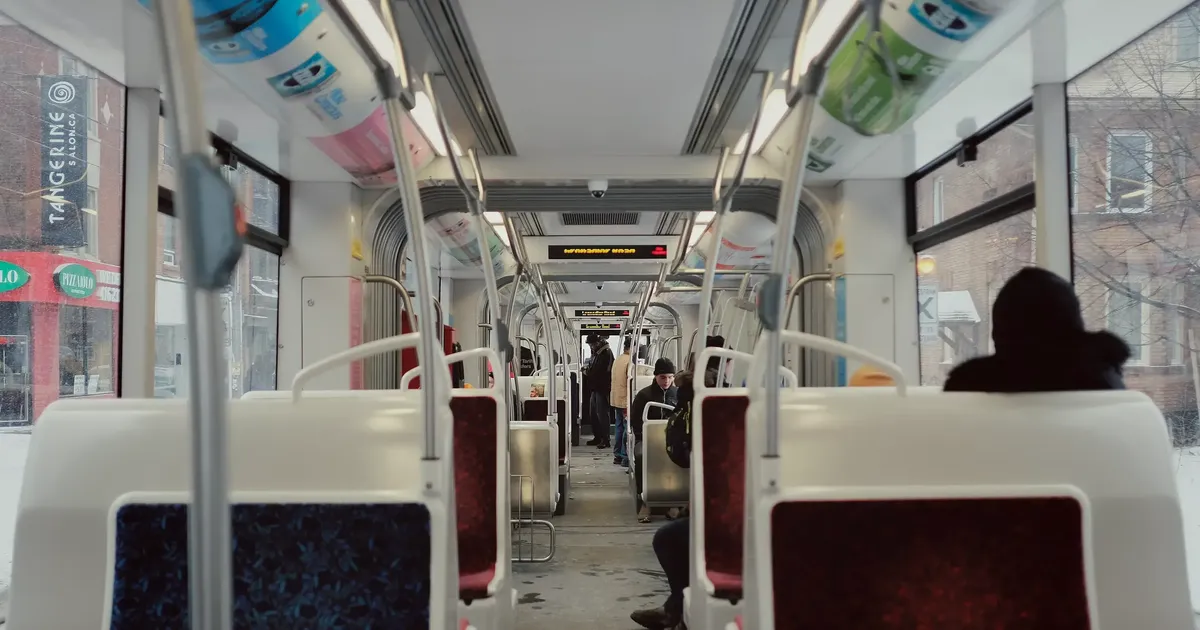
As countries around the world review their carbon footprints, it has become clear that many Global North nations rely heavily on fossil fuel-based transportation. This reliance has contributed significantly to greenhouse gas emissions. One way to reduce emissions is by moving more people using fewer vehicles through public transportation systems. However, transportation solutions must fit the places where people live. In this lesson, students explore different Canadian environments and determine which types of public transportation would be most effective, realistic, and fair in each setting.

Duration: Single Class

Sector: Transportation

Region: Rural Areas, Urban Areas

Context: Lifestyle, Community

Share with Email!

We Appreciate Your Feedback!

We are actively working to improve the offerings of N:OW for Net-Zero and this curriculum library. Have you used a lesson plan? Do you have any issues with a lesson plan? Do you have any suggestions or critiques about the library?

Please share how your experience has been as any feedback is so valuable for us!


More Lesson Plans

High-Efficiency Heat Pumps

Social Studies
Buildings
Grade 7
NL

Economic empowerment has not always benefited the environment. As we look ahead, true empowerment must include environmental responsibility if we want to ensure a healthy and sustainable future. High-efficiency heat pumps are one example of... read more

Low-Flow Fixtures

Social Studies
Buildings
Grade 8
NL

The choices we make about our living spaces reflect our values. In this lesson, students explore what influences housing decisions and how environmental considerations can shape more sustainable homes. Students will examine how low-flow wat... read more

Social Studies, Indigenous Studies
Food, Agriculture & Land Use
Grade 12
BC/YK

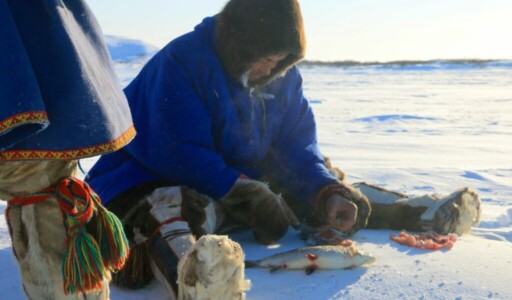
This lesson examines Indigenous approaches to fishing and wildlife management as sustainable alternatives to industrial practices that drive overfishing, ecosystem collapse, and high carbon emissions. Through comparison, students will under... read more

Social Studies
Food,Agriculture & Land Use
Grade 8
BC/YK

Students will explore aquaculture as an example of how human food production interacts with the environment, economies, and communities. Through inquiry and role play, students will examine both the environmental and social implications of ... read more