Curriculum Sub-Program Logo

Midnight Trains Don’t Go “Anywhere”

Public Transportation
Social Studies
Transportation
Grade 8
SK, NU
Midnight Trains Don't Go 'Anywhere'

Description

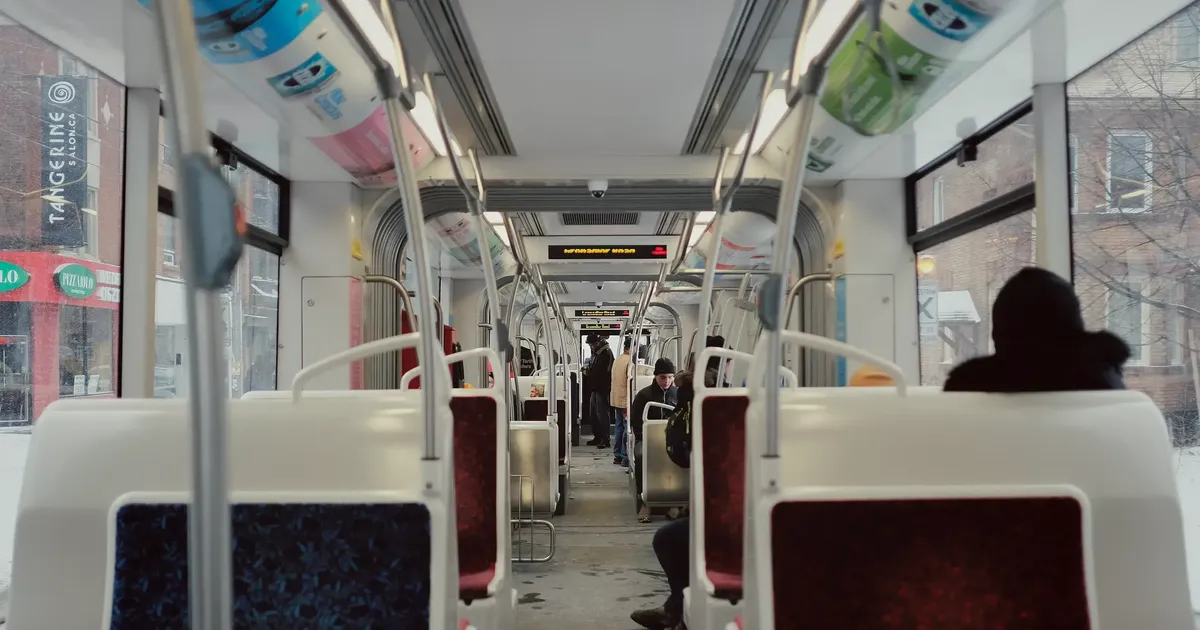
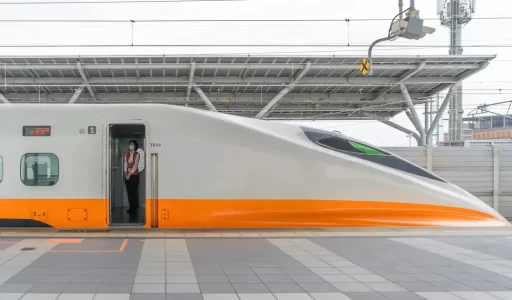
As countries around the world review their carbon footprints, it has become clear that many Global North nations rely heavily on fossil fuel-based transportation. This reliance has contributed significantly to greenhouse gas emissions. One way to reduce emissions is by moving more people using fewer vehicles through public transportation systems. However, transportation solutions must fit the places where people live. In this lesson, students explore different Canadian environments and determine which types of public transportation would be most effective, realistic, and fair in each setting.

Duration: Single Class

Sector: Transportation

Region: Rural Areas, Urban Areas

Context: Lifestyle, Community

Share with Email!

We Appreciate Your Feedback!

We are actively working to improve the offerings of N:OW for Net-Zero and this curriculum library. Have you used a lesson plan? Do you have any issues with a lesson plan? Do you have any suggestions or critiques about the library?

Please share how your experience has been as any feedback is so valuable for us!


More Lesson Plans

Boreal Forest Protection

Science, Social Studies
Food,Agriculture & Land Use, Carbon Sinks
Grade 9
AB

Alberta's boreal forest is vital for climate regulation and biodiversity, but it faces pressure from human activities and economic development. In this lesson, students act as sustainability innovators working for a net-zero company. They m... read more

Efficient Aviation

Geography, Social Studies
Transportation
Grade 7
ON, NWT

Students will investigate efficient aviation as a climate solution, exploring how technological improvements in aircraft design and operations reduce fuel consumption and emissions. Through guided discussion, research, hands-on paper airpla... read more

Social Studies
Food,Agriculture & Land Use
Grade 8
BC/YK

Students will explore aquaculture as an example of how human food production interacts with the environment, economies, and communities. Through inquiry and role play, students will examine both the environmental and social implications of ... read more

Utility-Scale Solar Photovoltaics

Social Studies
Electricity
Grade 9
MB

Through this learning sequence, students will engage in small group work, inquiry, and discussions using multiple digital learning resources to examine Canada's commitment to environmental stewardship. Students will evaluate the potential o... read more